Soulport Terminal- Credits
Producer & Writer
Shad Anwar
Director & Co-Producer
Sofie Roehrig
Director of Photography
Americo Muñoz Buschmann
Mask Designer
Rosi Díaz Roigt
Art Director
Simone Alegre
Wardrobe
Linda Pusch
Makeup Artist
Elizabeth Chu
Sound Recordist
Eduardo Andrés
Boom Operator
Yun-Yen Chuang
Sound Design
Shad Anwar
Original Music
Max Baldauf
1st Assistant Camera (1st AC)
Arthur Zhmurko
2nd Assistant Camera (2nd AC)
Hadeel Muhammed
Chief Light Technician
Serafim Gusev
Light Assistant
Ivan Koroman
Assistant Director
Anya Vakodr
Continuity Supervisor
Rahul Gelu
Editor
Shad Anwar
Assistant Editor
Rahul Gelu
Color Correction
Shad Anwar
Memory Refresher Voiceover
Mark Waschke
Memory Refresher Visuals
Christina Voigt
Set Manager
Ana-Maria Marin
Caterer
Ksenia Pakhomova
Behind-the-Scenes Cinematography
Ganga Dutt
Script Assistant
Aleksandrs Sharkovs
Additional Support
Matthew Jackson
Johann Sassenroth
Special Thanks
Team UE Arsenal
Eric Berg
Alexandra Beutz
Project Supervisors
Prof. Benjamin Dickmann
Prof. Christina Voigt
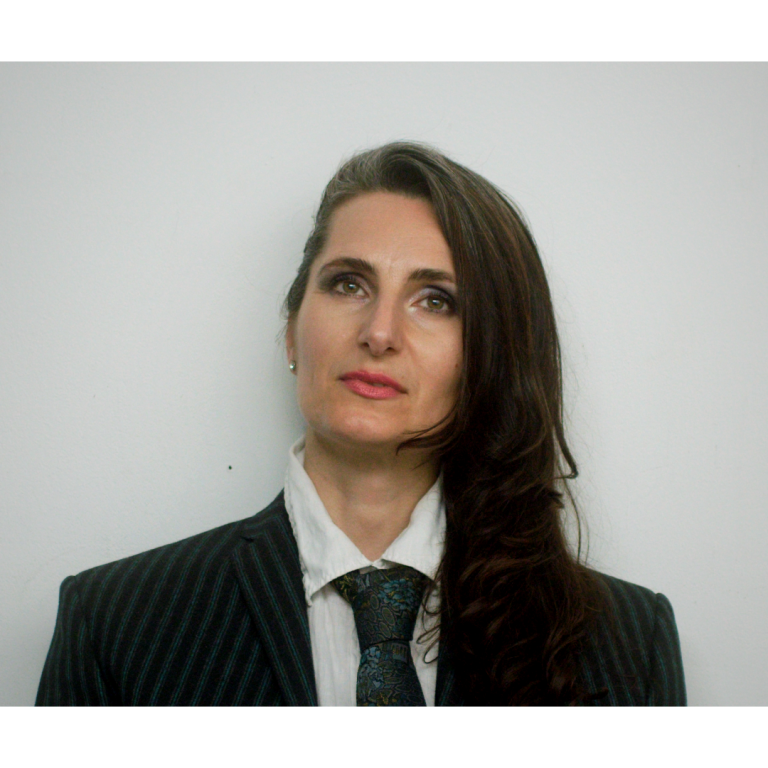
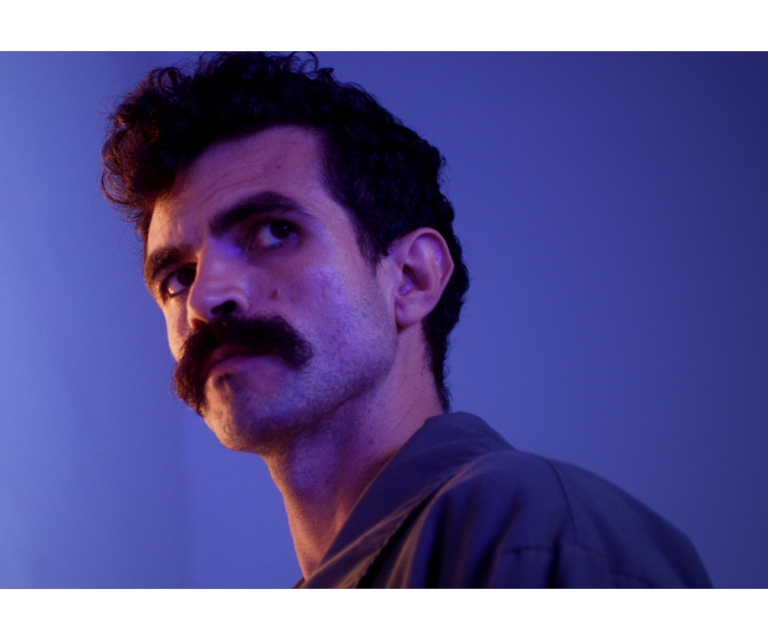
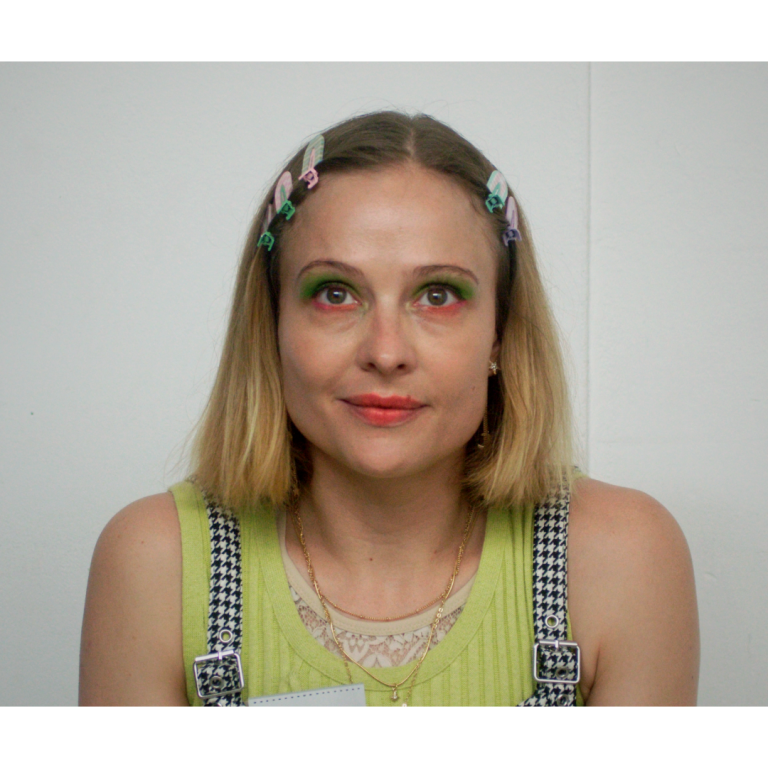
Soulport Termial: Logline
After dying, souls arrive at the Soulport Terminal where their “memories are tested” determining whether they are reborn on Earth, transformed into clouds, or return to the Source.
About the project
"Soulport Terminal" is a fantasy drama short film set in an imaginative, otherworldly dimension where the recently deceased gather. In this realm, they find themselves at the Soulport Terminal, a mysterious station where their “memories are tested” to determine their next destination. Souls wait outside the terminal, each with a unique number displayed on a screen when they are ready to proceed.
The film follows the protagonist, who arrives at the terminal in a state of confusion (unaware of his own death). As he engages with others in the waiting area, he gradually uncovers the truth about his situation and the significance of the terminal. The environment is filled with a mixture of souls, some of whom come and go, while many remain unprepared to enter. Through his interactions and introspection, the protagonist embarks on a journey of self-discovery and acceptance.
The World
Souls first arrive in a vast liminal expanse beneath an ever-shifting sky, where a glowing screen assigns numbers to each of them. They then enter the Reflection Zone, a landscape that mirrors their emotional state—sometimes tranquil waters, sometimes rolling hills—where they engage in introspection and quiet conversation. From there, they move into the Terminal, an interior waiting room where souls exchange ideas and encounter one another before their final journey. At last comes Path Assignment, where each soul is guided toward one of many existential paths, not as a matter of punishment or reward, but as an alignment of energy and readiness.
Possible Existential Paths
Some souls are sent back into human form, where they return to resolve karmic loops, learn love, and confront suffering.
Others take on animal rebirth, living out simpler lessons of loyalty, instinct, and unconditional love.
A few become trees, embodying stillness, peace, and the serenity earned from past lives.
Some drift into the form of clouds, marked by detachment, serenity, and fluid awareness.
Others dissolve into natural phenomena such as rain, snow, or thunder, becoming a recurring rhythm in nature’s cycle and carrying deep symbolic presence in the material world.
And ultimately, there is the return to the Life Source, where individuality dissolves and the soul merges back into the divine.
The Scene
The protagonist arrives outside the surreal Soulport Terminal—a gateway between death and transcendence. The Terminal is imagined not as a fantasy construct, but as something eerily familiar: a waiting area that feels like it could exist in the real world, yet is subtly out of place.
Unlike typical depictions of the afterlife, we intentionally avoid abstraction or heavy visual effects. Instead, we root the scene in naturalistic design: think of a quiet, clinical waiting room with soft, ambient light. Real locations will be used wherever possible to maintain a sense of emotional authenticity.
This makes the experience more visceral and relatable. We want the viewer to feel like they’ve been here before, even if they can't explain when.